 ( 01 / 01 )
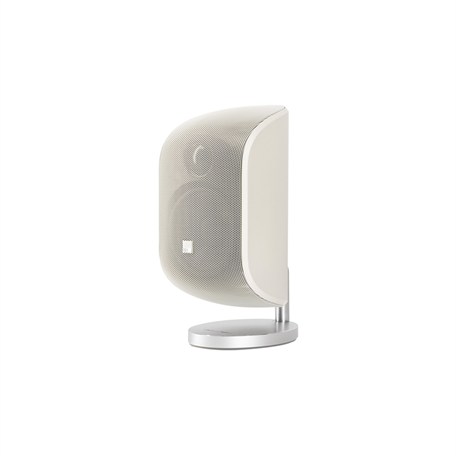
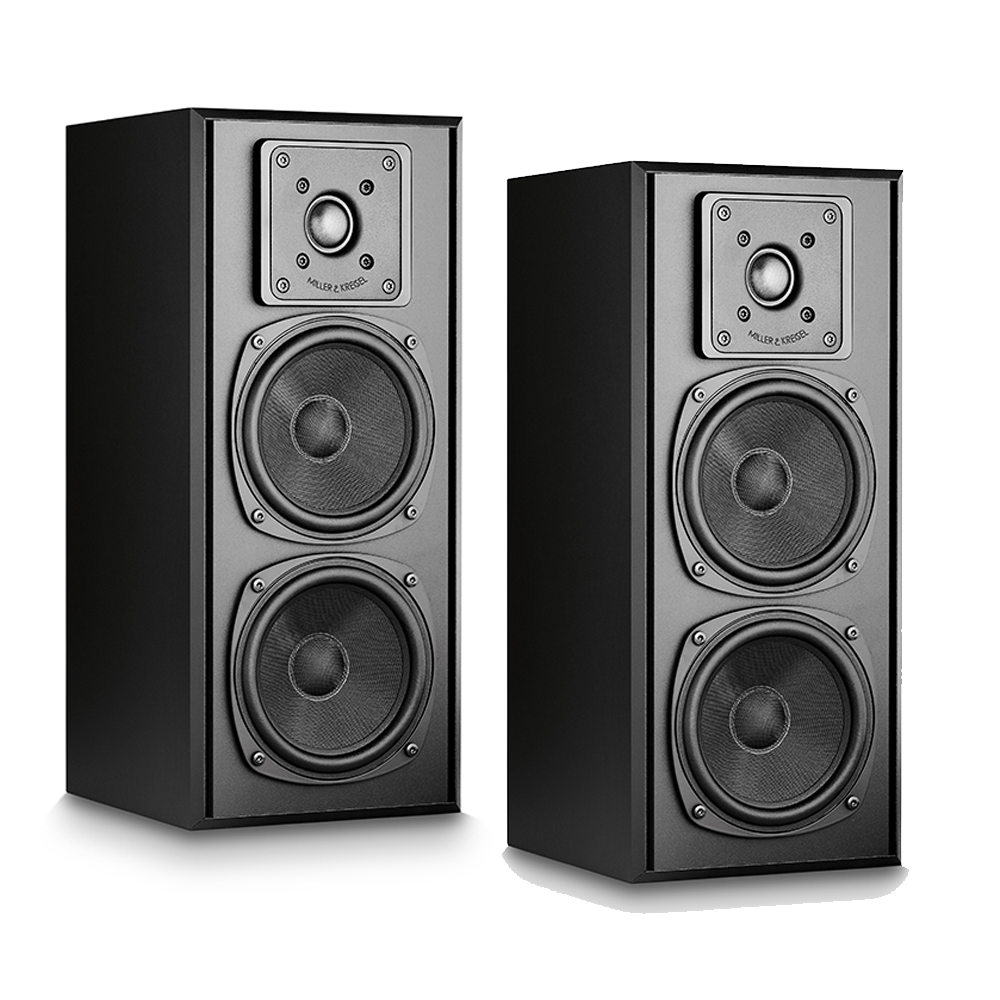
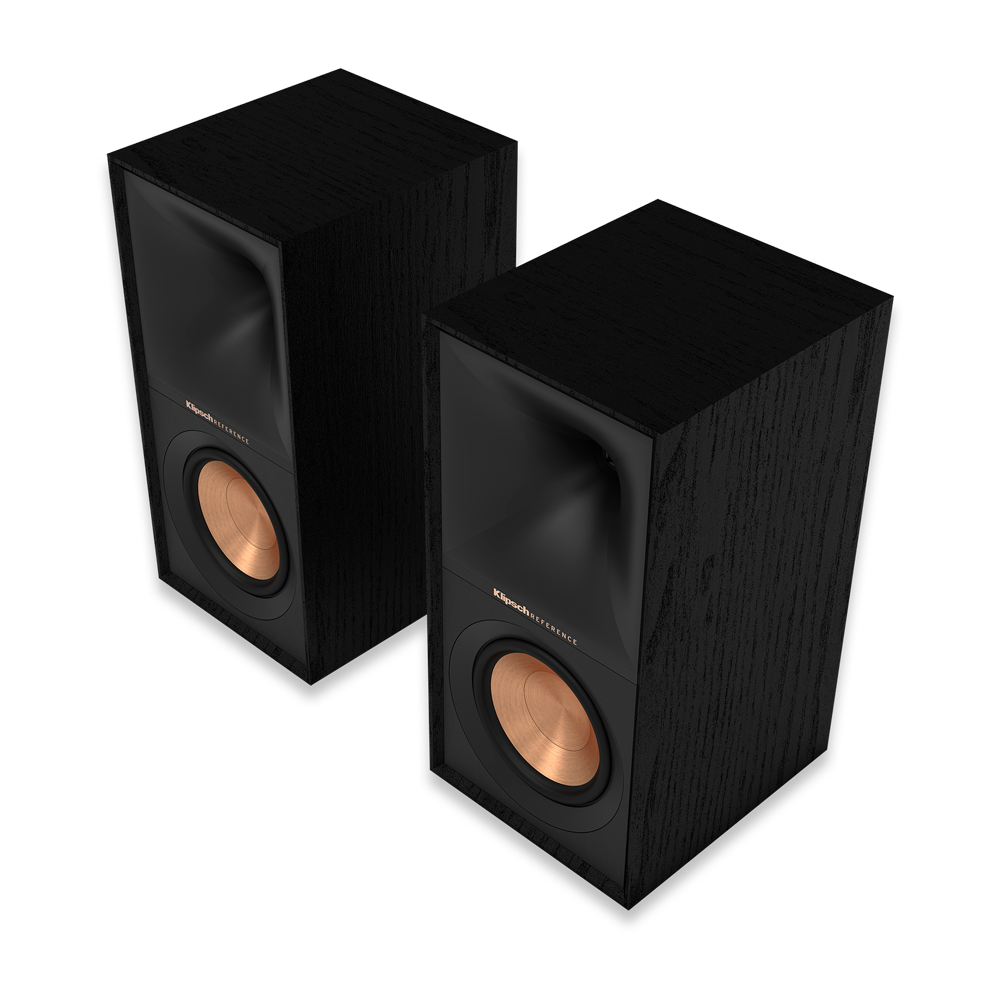
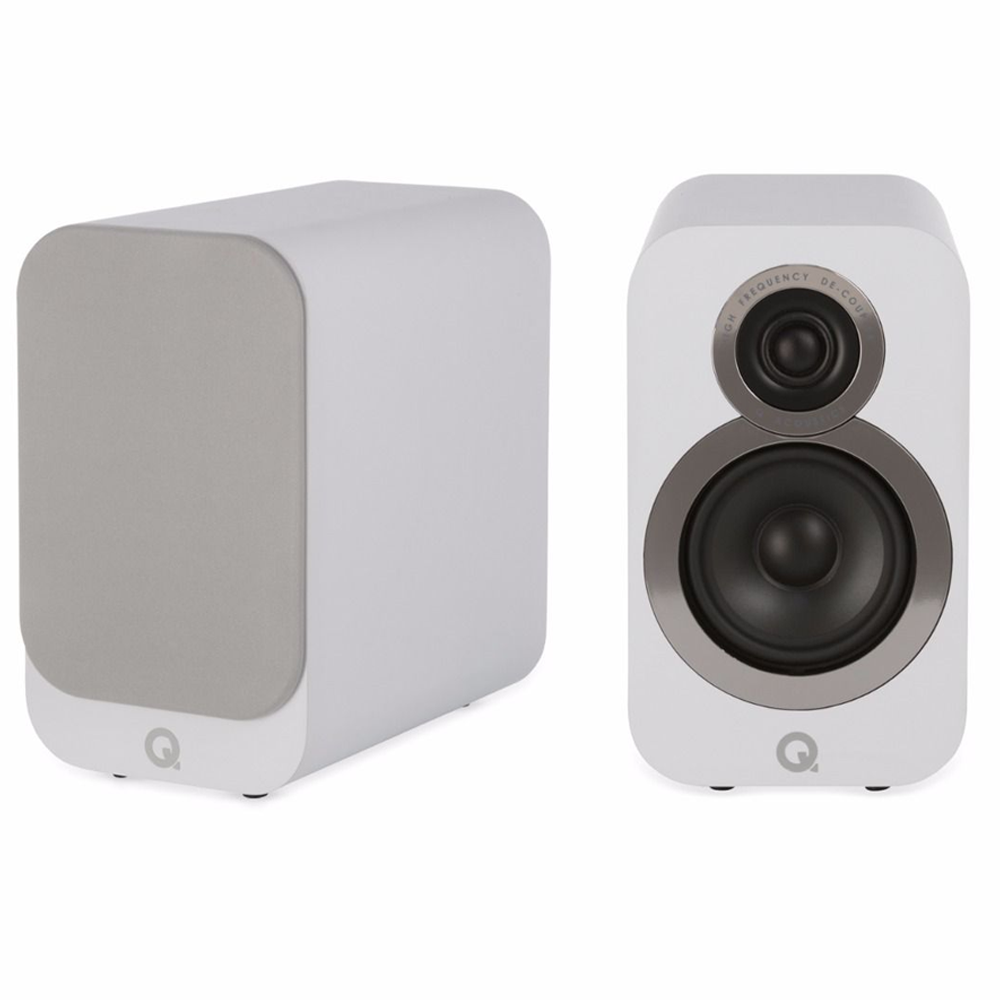
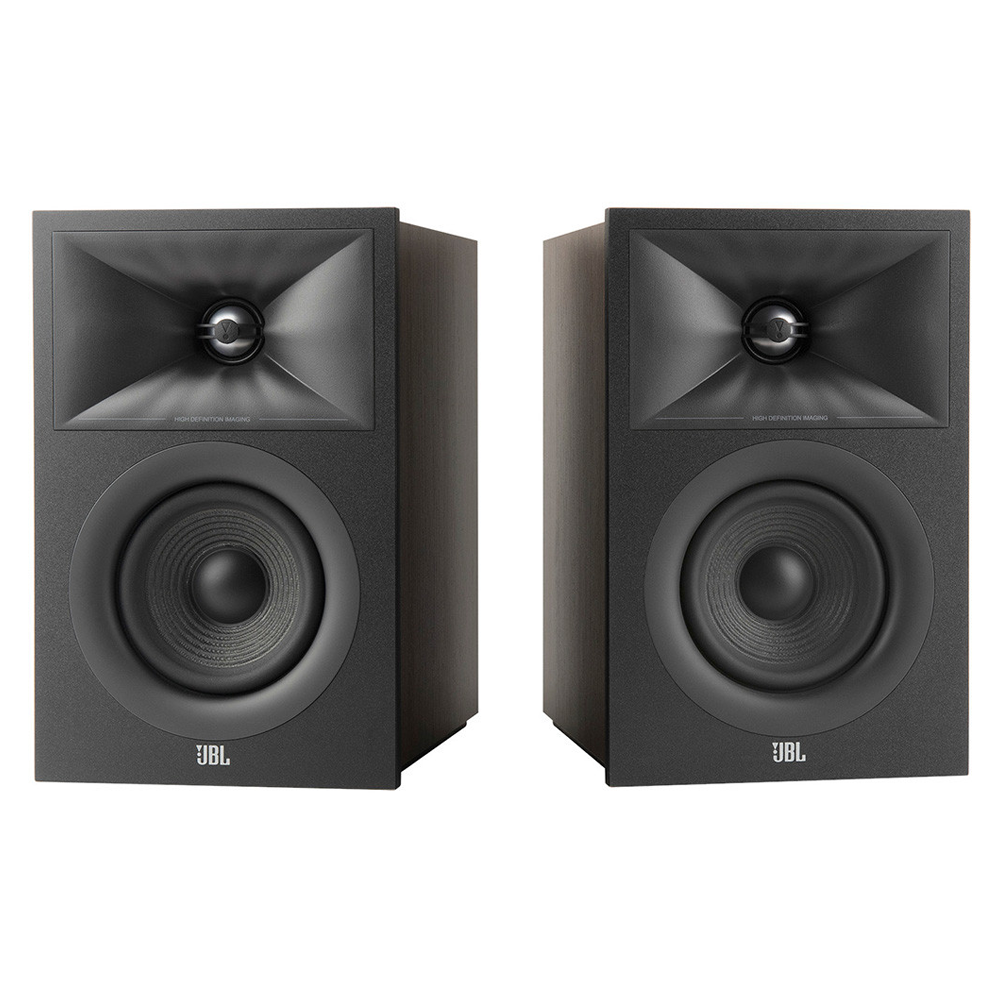
JBL Stage 240B 2Way BookshelfSpeakers

JBL Stage 240B - 2 Way Bookshelf Speakers (Pair)
The JBL Stage 240B is a compact 2-way bookshelf loudspeaker delivering impressive sound performance with a small footprint. Designed and engineered at JBL's Acoustic Engineering Center of Excellence in Northridge, California, these speakers are perfect as main speakers or surrounds in any home theatre or audio setup.
Key Features
- 2-way design with Next Generation patented High-Definition Imaging (HDI™) waveguide geometry
- 1-inch (25mm) anodized aluminium dome tweeter for clear, dynamic highs
- 4.5-inch (114mm) Polycellulose ribbed cone woofer for deep, accurate bass
- Precision 2-way crossover with premium components to reduce distortion and improve sonic performance
- Bass reflex enclosure with rear-firing tuned port for enhanced low-frequency response
- Versatile use as main speakers or surround speakers
- Available in Espresso or Latte finish
Specifications
TypeBookshelf Loudspeaker SystemLow Frequency Driver4.5-inch (114mm) Polycellulose Ribbed ConeHigh Frequency Driver1-inch (25mm) Anodized AluminiumWaveguideNext Generation HDI™Recommended Amplifier Power20-125WFrequency Response ± 6dB53Hz-25kHzSensitivity @ 1M, 2.83V85dBNominal Impedance6 OhmsCrossover Frequencies1.4kHzEnclosure TuningBass Reflex via Rear-Firing Tuned PortFinishEspresso or LatteDimensions (HxWxD)272mm x 175mm x 217mm (10.7in x 6.9in x 8.5in)Product Weight4.6 kg (10.1 lbs)Shipping Weight10.4 kg (22.9 lbs)Shipping Units of MeasurePairProduct Description
The Stage 240B features a 4.5-inch Polycellulose ribbed cone woofer made from a proprietary pulp mix that enhances rigidity and echoes JBL's legendary designs, delivering deep, room-filling bass. The 1-inch anodized aluminium dome tweeter is housed in the next-generation HDI™ waveguide, which improves directivity, reduces diffraction, and ensures a neutral frequency response on and off axis.
Premium components in the precision 2-way crossover include air core inductors and mylar capacitors in the high-frequency section to reduce distortion, while the low-frequency section uses laminate core inductors and electrolytic capacitors to handle more power and transmit energy faster, elevating overall system performance.