JourneyRoom assessment
Start with the physical room before choosing a projector or speaker package. Measure the viewing distance, ceiling height, seating rows, window positions, cable paths and available wall width. A 120-inch screen can feel cinematic in a controlled room, but it can overpower a shallow lounge or expose brightness limits if ambient light is not managed. The room also decides whether you can use in-ceiling Atmos speakers, where subwoofers can load evenly, and whether acoustic treatment will be visible or hidden.
View category →JourneyDisplay selection
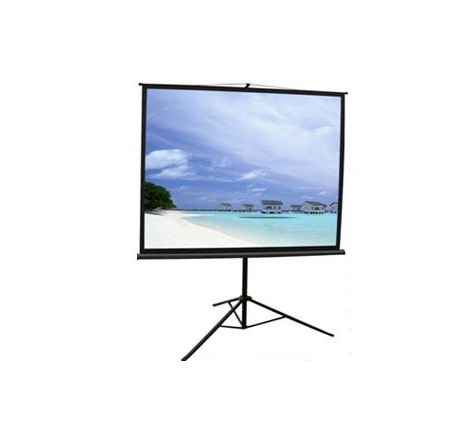
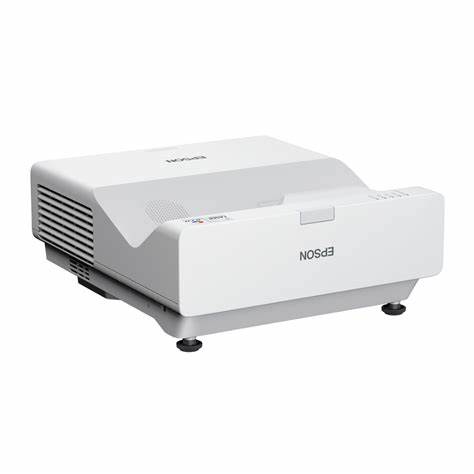
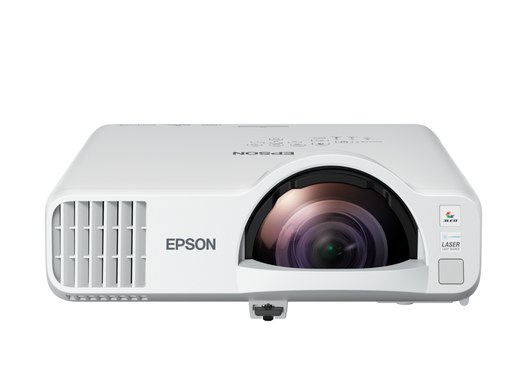
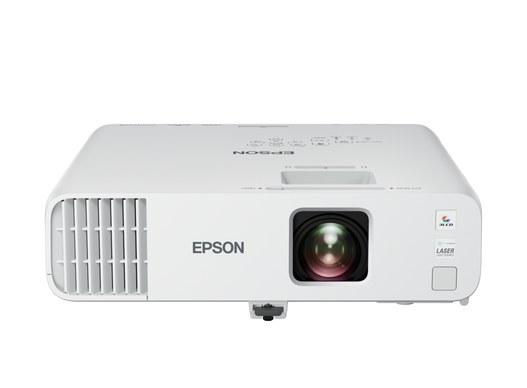
A projector and screen still deliver the strongest cinema-scale experience, especially in dedicated rooms where light can be controlled and seating is planned around a wide image. Large-format TVs are better for bright living rooms, casual sports viewing and spaces where lamp-free simplicity matters. When projection is right, compare throw distance, lens shift, laser versus lamp light engines, screen gain, ambient-light rejection material and aspect ratio before committing. Sony native 4K projection and quality fixed-frame screens need to be specified together, not as separate purchases.
View category →JourneySpeaker configuration
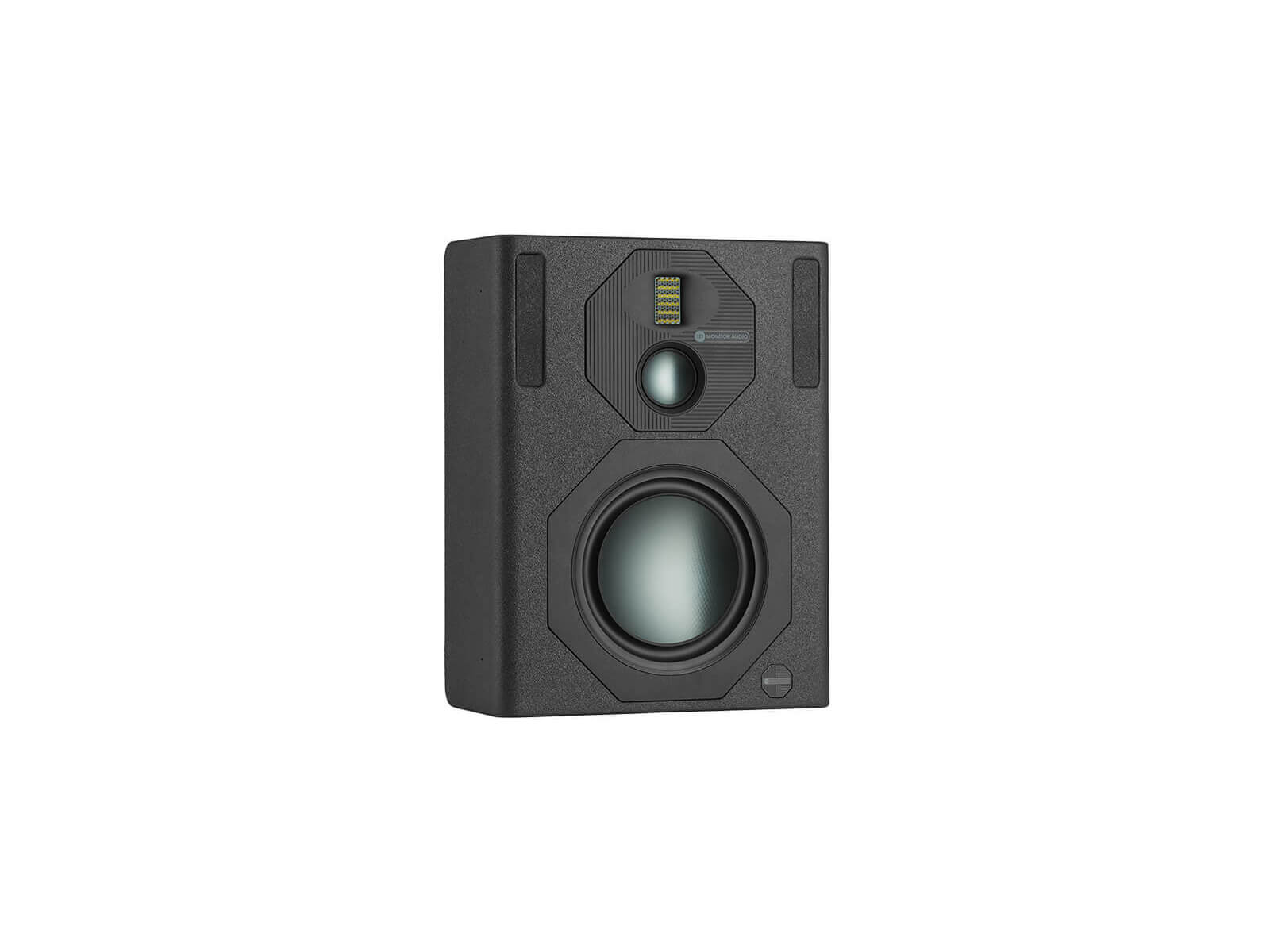
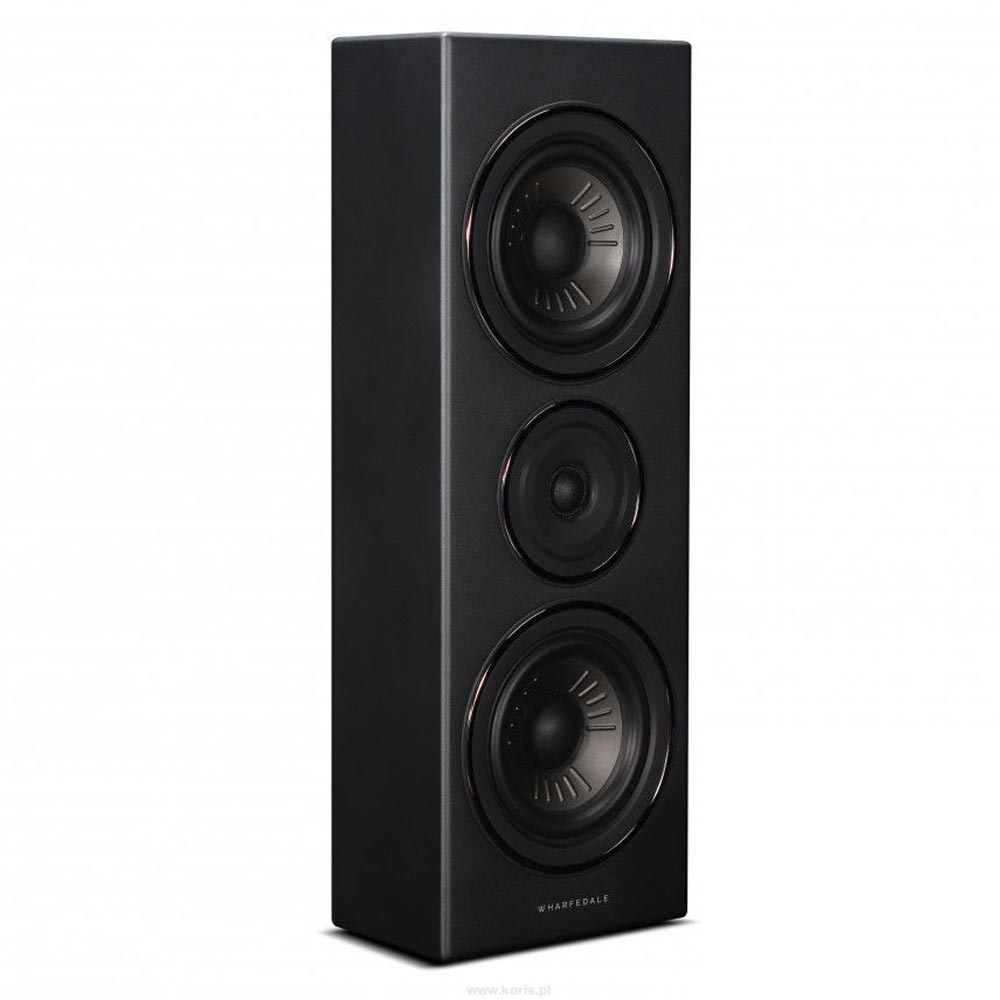
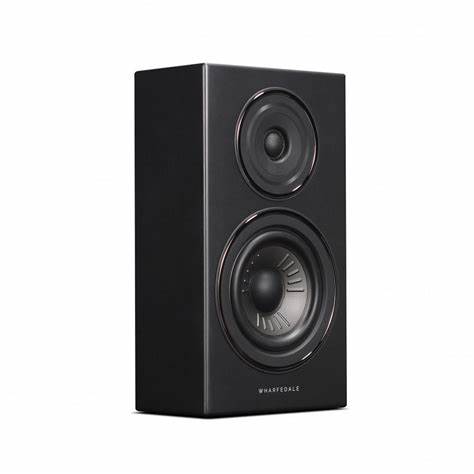
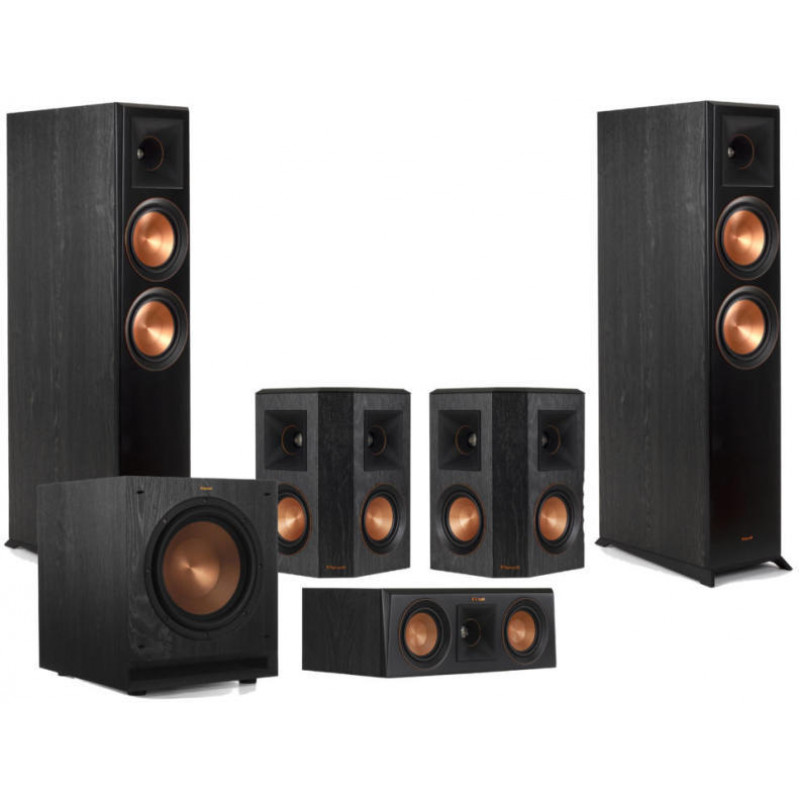
Speaker layout should follow the room and the way the family will use it. A compact media room may be best served by a clean 5.1 or 5.1.2 layout with carefully placed surrounds and one capable subwoofer. A dedicated cinema can justify 7.1.4, dual subwoofers and matching front, centre and surround voicing from brands such as KEF, Focal or Monitor Audio. The common mistake is overspending on channel count while ignoring centre-channel clarity, subwoofer placement, amplifier headroom and acoustic reflections around the first seats.
View category →JourneySystem integration
The best cinema rooms feel simple because the system design has already solved the complexity. A Denon AVR-X receiver, projector, streamer, Blu-ray player, game console, lighting scene and motorised screen all need HDMI bandwidth, eARC behaviour, network access, power sequencing and control logic checked in advance. Plan the rack position, ventilation, conduit, spare cable runs and service access before the ceiling is closed. Integration is also where calibration happens: speaker distances, crossovers, room correction, HDR settings and source naming make the system usable every day.
View category →