
Unbox a turntable slowly and keep the packaging until the system is proven. Remove transport screws, packing foam and platter protection according to the manufacturer instructions, then place the deck on a rigid, stable surface away from loudspeakers. A heavy cabinet that resonates can feed vibration back into the stylus, especially at higher volumes. In lively South African homes with suspended floors or large open-plan furniture, a wall shelf or isolation platform can make a bigger difference than an expensive cartridge upgrade.
Levelling is the first setup step. Use a small spirit level on the platter and adjust the feet or support until the platter is level front-to-back and side-to-side. A tilted platter changes how the stylus sits in the groove and can make anti-skate behave unpredictably. Fit the belt, platter and mat correctly, then balance the tonearm if the design requires it. Set tracking force with a proper stylus scale rather than guessing from the counterweight markings alone. Too little force is not safer: mistracking can damage records because the stylus rattles in the groove. Too much force accelerates wear and can dull the sound.
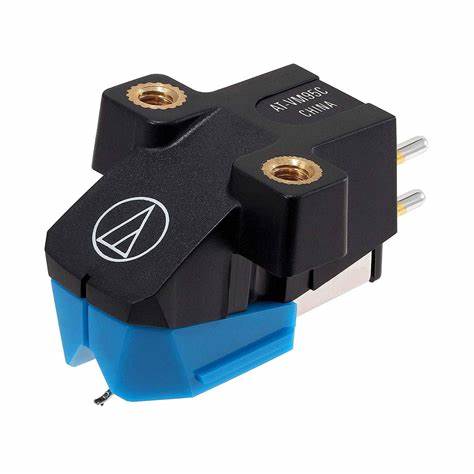
Anti-skate applies a small outward force to balance the arm’s natural inward pull. Set it according to the cartridge and arm guidance, then fine-tune only if you understand what you are listening for. Cartridge alignment is just as important. The cartridge must sit square in the headshell and follow the correct alignment geometry so tracking error is minimised across the record. If the turntable arrives with a cartridge fitted, it is still worth checking alignment, azimuth where adjustable, and stylus guard removal before first play.
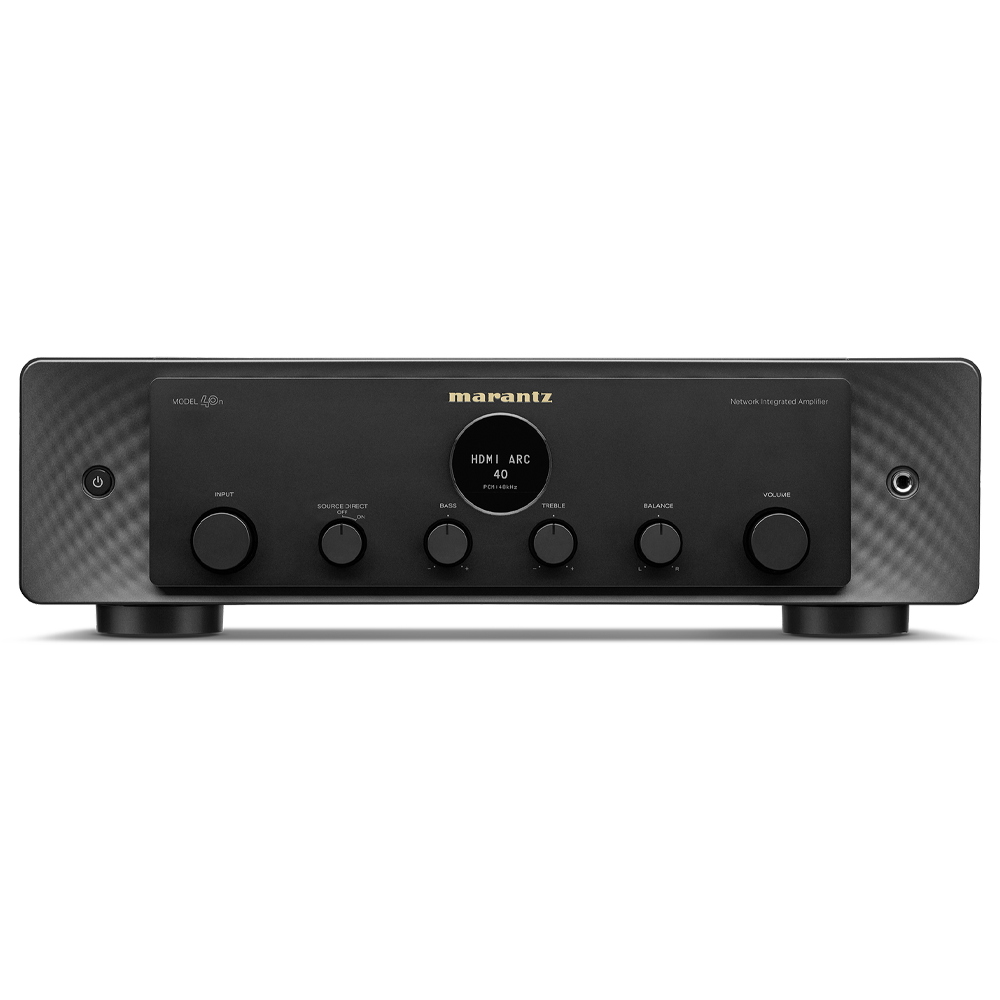
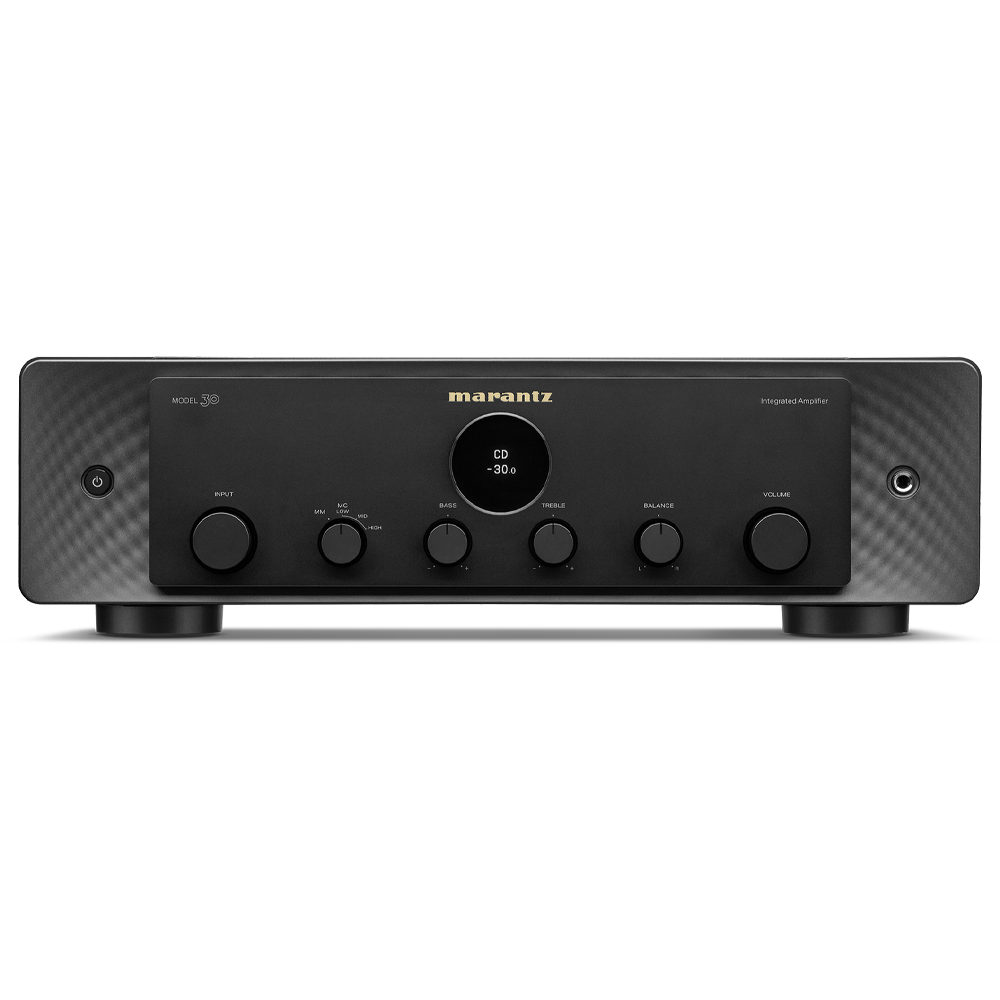
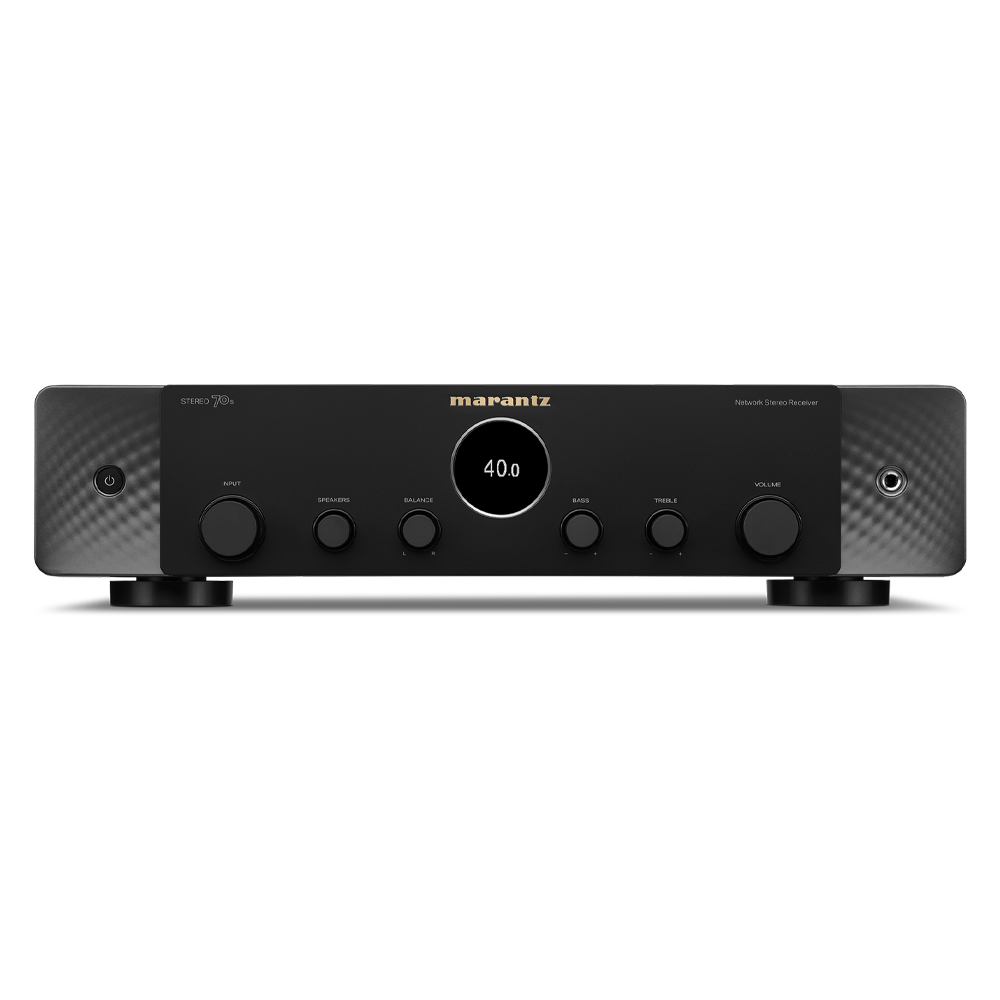
The phono stage is often misunderstood. A turntable cannot usually plug into a normal line input unless it has a built-in phono preamp. Moving magnet and moving coil cartridges output tiny signals that need gain and RIAA equalisation. Built-in phono stages are convenient for starter systems, while external stages can lower noise, improve dynamics and match better cartridges more accurately. Connect the ground wire if the turntable provides one; hum is often a grounding or cable-routing issue.
Before first play, clean the record, brush the stylus, confirm speed, tracking force, anti-skate and cueing height, then start with a record that is flat and in good condition. Avoid using a badly warped record to test a new deck. Common mistakes include placing the turntable between speakers, using the wrong input, forgetting the ground wire, leaving the stylus guard on, guessing tracking force, or ignoring a worn stylus. Care for records with inner sleeves, dry brushing and sensible storage away from heat. Audico stocks turntables across budget levels and can give setup advice in-store so the system starts correctly instead of becoming a frustrating vinyl experiment.