
A commercial sound system starts with the venue, not the loudspeaker. A restaurant needs even background music, speech intelligibility and staff-friendly controls. Retail needs consistent coverage without hot spots that irritate customers. A house of worship needs clear speech, music headroom, microphone management and often streaming feeds. A stadium or large venue needs coverage modelling, delay zones, rigging, redundancy and operational support. Each environment has a different noise floor and dynamic range target, so the same product list cannot solve all rooms.
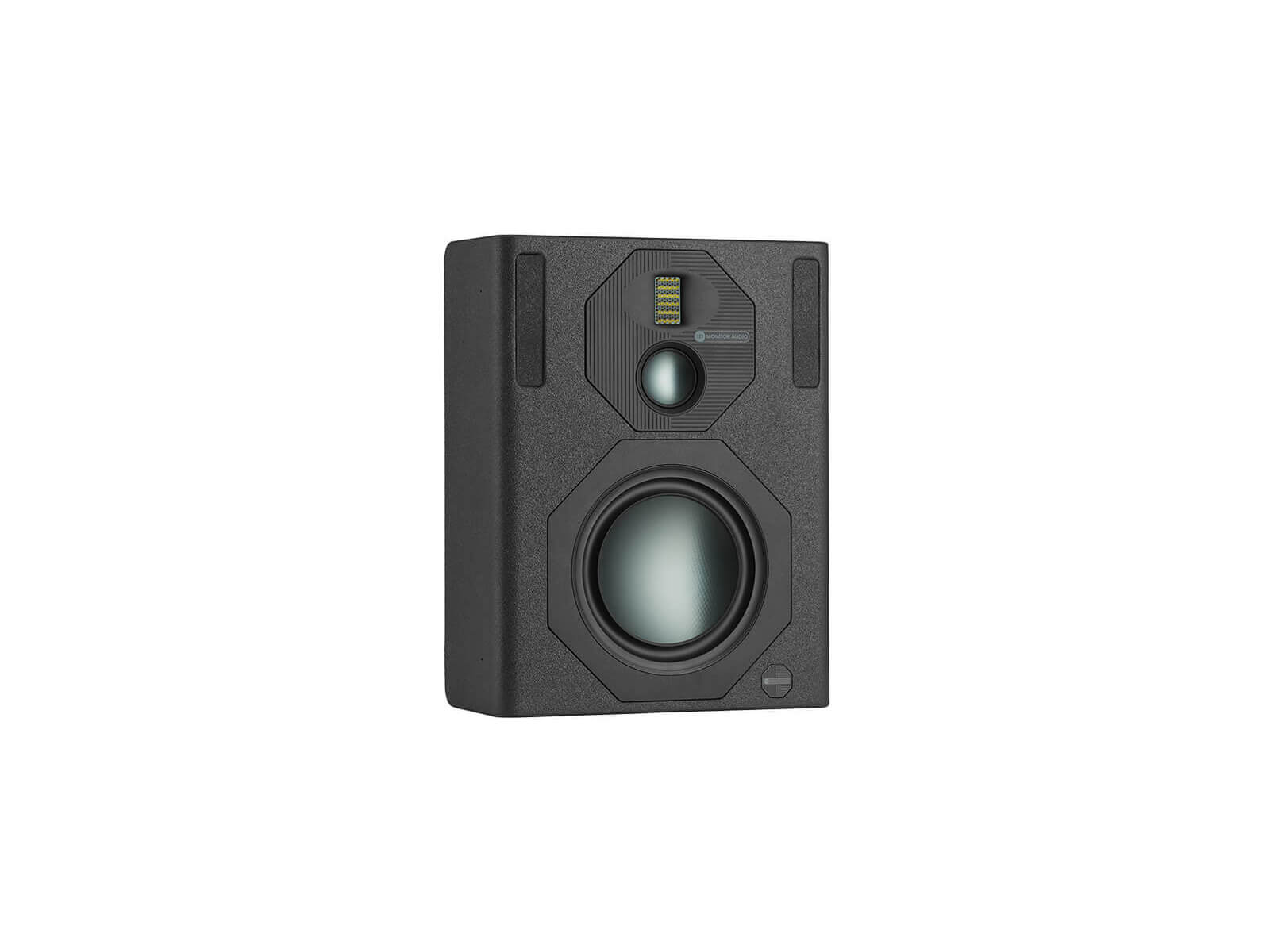
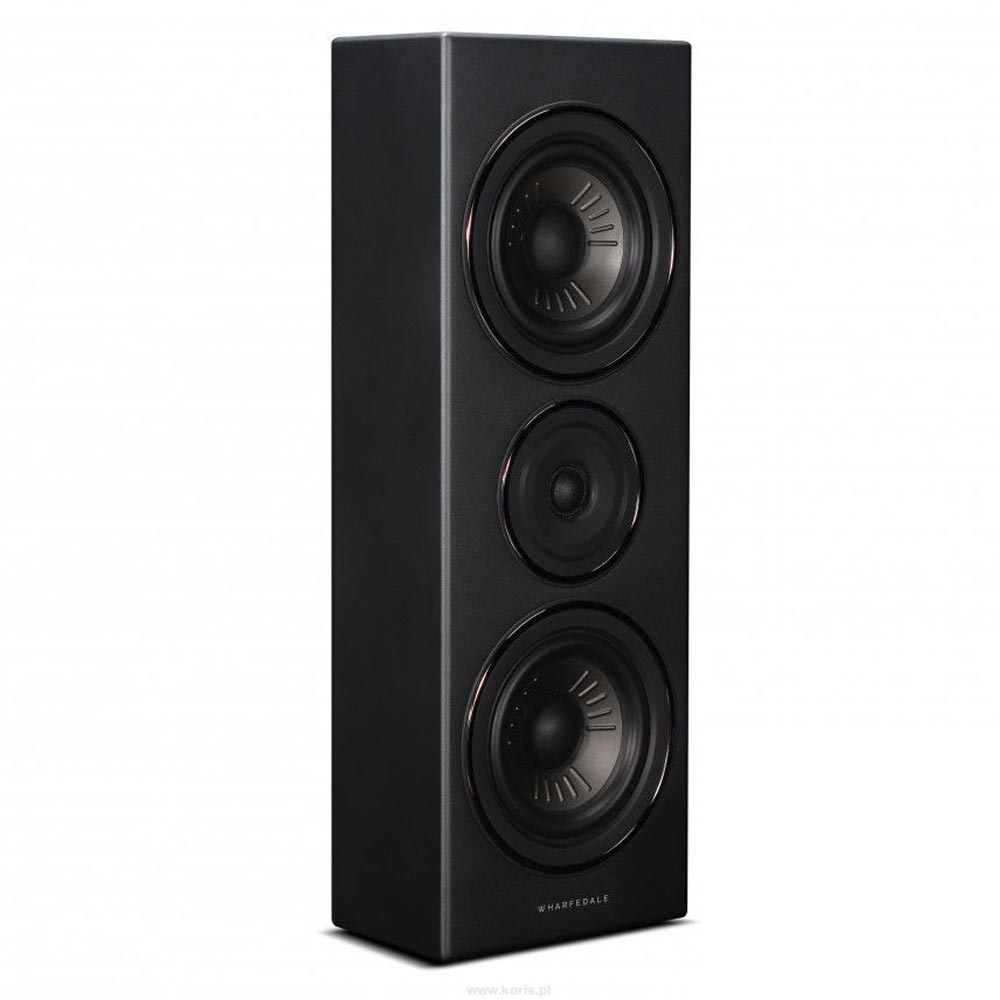
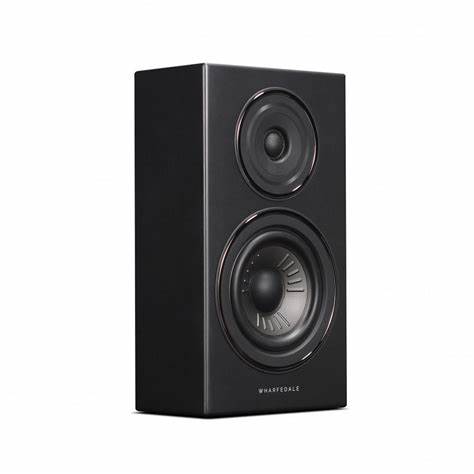
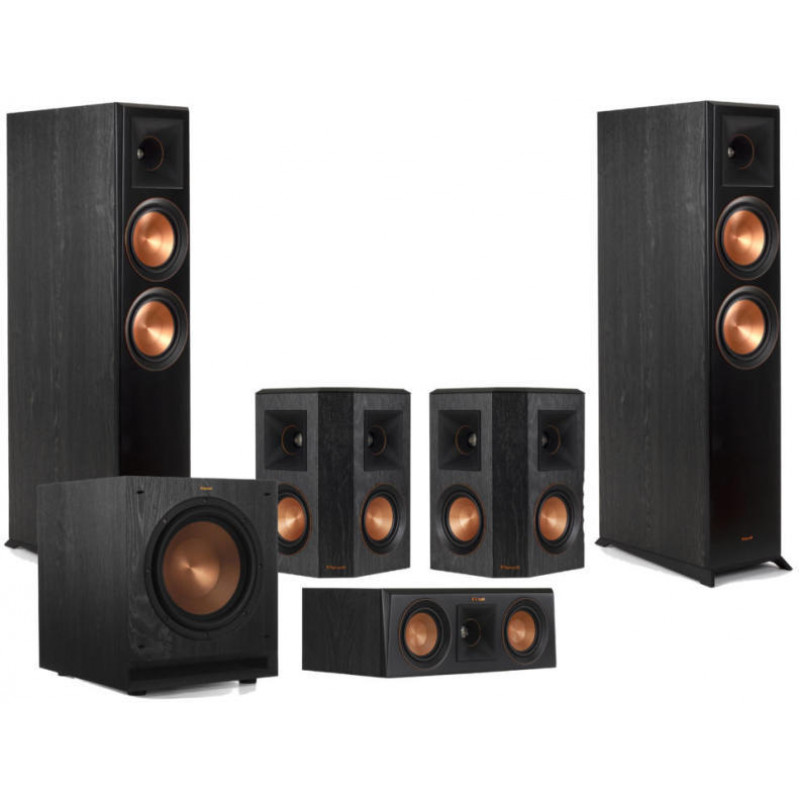
Distributed audio uses many smaller loudspeakers to create even level across a space. It suits restaurants, retail, offices and long rooms where background music and paging matter more than concert impact. Point-source systems use fewer, more powerful loudspeakers and work well for compact venues, stages and multipurpose halls. Line arrays become appropriate when audience depth, throw distance and vertical control demand predictable coverage over a large area. The best design may combine mains, fills, delays and subwoofers rather than relying on a single pair of oversized cabinets.
Impedance and zoning are central to commercial design. Low-impedance systems, such as 4-ohm or 8-ohm speaker runs, suit shorter cable runs and higher-performance zones. 70V/100V distributed systems use transformer taps so many speakers can run from one amplifier channel over longer distances, with each speaker assigned a wattage tap. This is ideal for background music and paging, but it still needs correct amplifier sizing, cable calculation and headroom. Zoning lets a restaurant keep the patio, bar and dining room at different levels, or lets a retail site page only specific areas.
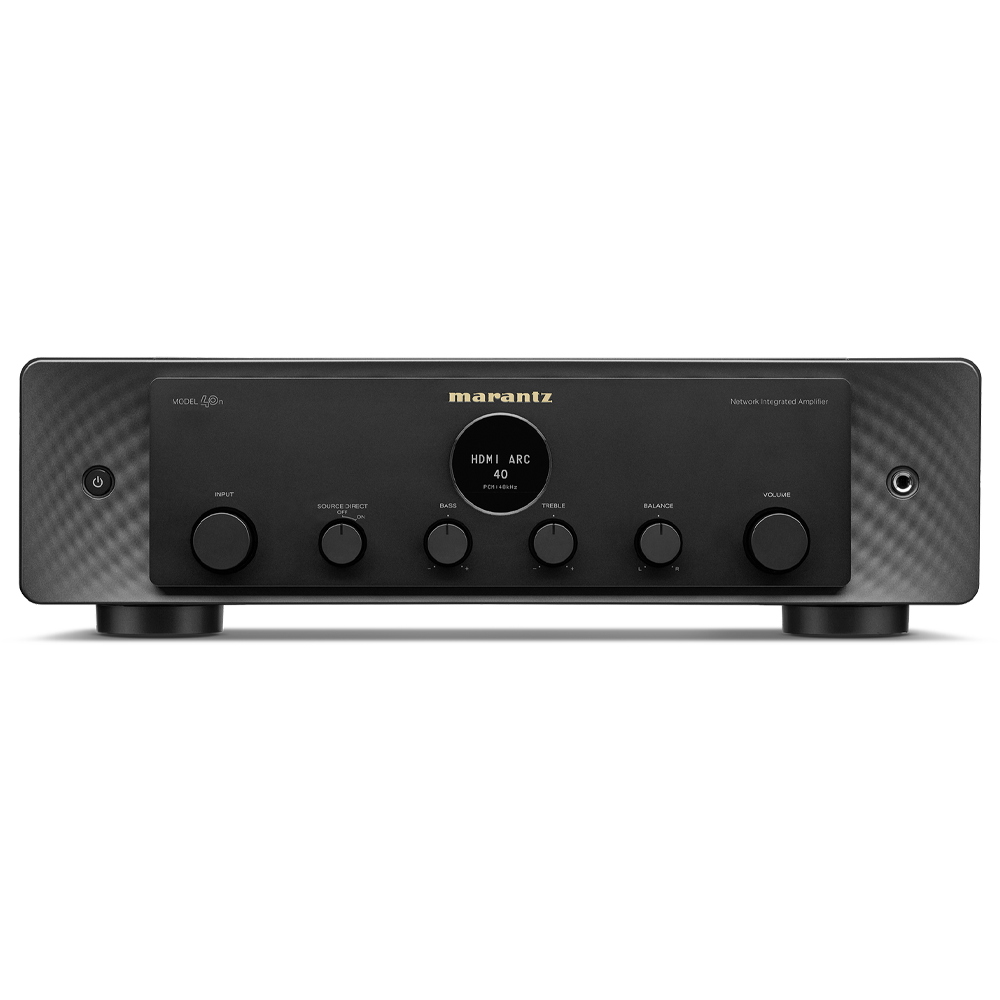
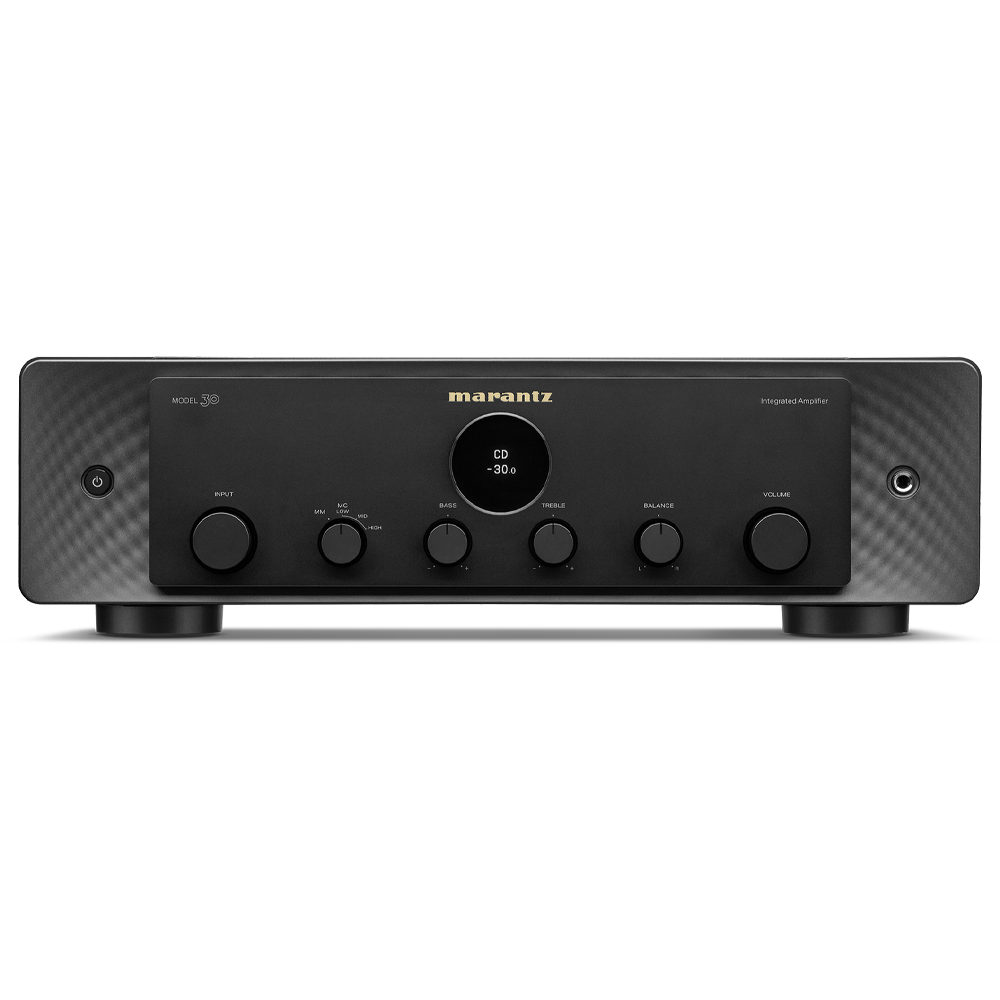
Amplifiers should be sized around speaker load, cable length, target SPL and duty cycle. DSP processors handle EQ, limiting, delay, routing, feedback control, presets, paging priorities and staff permissions. Microphone choice depends on the use: handheld dynamics for live speech, lavaliers for presenters, goosenecks for lecterns, boundary or ceiling microphones for boardroom-style pickup, and wireless systems where movement is required. Mixing desks range from simple analogue mixers to digital consoles with scenes and networked stage boxes.
Cable infrastructure is where many DIY projects fail. Plan conduit, speaker lines, network points, stage boxes, rack ventilation, labelled patching, service loops and surge protection before ceilings close. South African commercial work may also need attention to electrical compliance, structural mounting, fire regulations, rigging safety and venue noise restrictions. An AV integrator is usually the right partner when the system affects revenue, public safety, worship services or brand experience. DIY can work for a small single-zone shop, but not for complex zoning, rigging or live sound. Audico’s commercial team has practical Biamp and JBL expertise and can help specify systems that sound good, remain serviceable and fit the way the venue actually operates.